
They Don't Make Love Like That Anymore
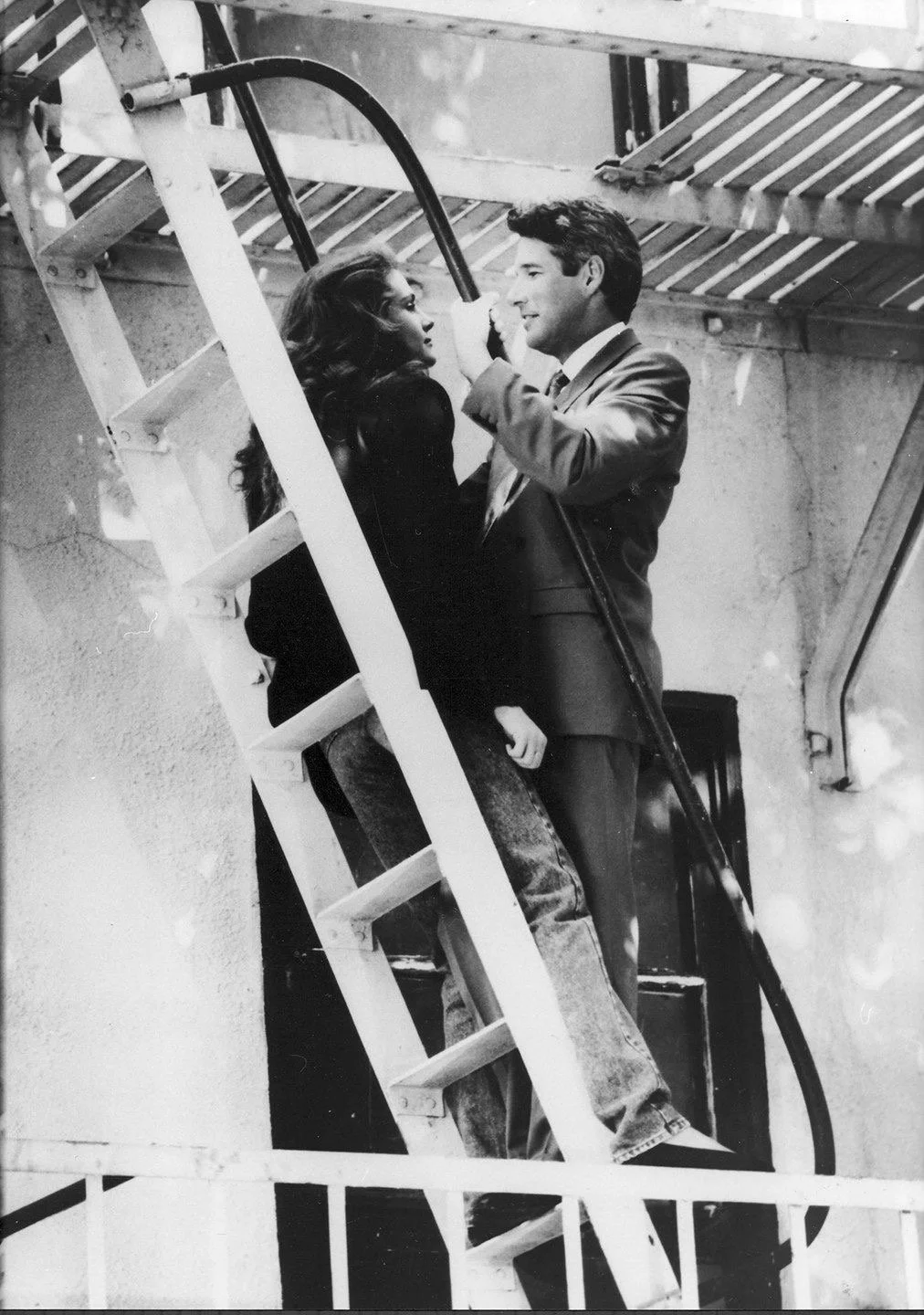
Photo Courtesy of Pinterest
School let out, and I’ve spent the last three weeks of my summer on the couch with my mom, working our way through rom-coms. It started innocently enough with my twice-yearly viewing of 10 Things I Hate About You. My mom watched alongside me, unimpressed, then issued a challenge: "That was okay, but let me show you this one." She put on Pretty Woman, and what followed was a full descent into the Julia Roberts cinematic universe: Notting Hill, Runaway Bride, every iteration of her falling in and out of love on screen. From there, we expanded further into the genre at large: You've Got Mail and the rest of the canon I'd somehow both missed and that my mom only half-remembered. For weeks, we ping-ponged between early '90s charm and 2010s gloss, burning through the genre until, eventually, we ran out.
My mom suggested we try something new, a 2025 release. I wanted to love it. But after weeks of crying and swooning and genuinely yearning over the whirlwind romances of the early 2000s, the new ones just felt flimsy. Empty. Like trying to drink tap water after a month of champagne. I found myself cringing into a pillow where I should have been sobbing into one. For days, we kept searching, looking for something modern that captured the same intoxicating blend of euphoria and safety those older films delivered so effortlessly. But we never found it.
That is because there is something to be said about falling in love before technology and the accompanying era of keeping it casual made it so easy to half-love someone from a safe distance. The rom-coms of the '90s and early 2000s were set in a world where you had to show up. You had to make time in your schedule after work when you were tired, knock on someone's door when you knew they might not answer but had to try anyway, say the thing out loud with no way to take it back. The stakes were just higher because there was no safety net, no text you could send instead, and no way to hedge your feelings behind a meme or a like.
And maybe that's what made the mistakes so much bigger, too. Using each other to win a bet, the way Andie and Ben did in How to Lose a Guy in 10 Days, should have been unforgivable. Today, it practically would be, except we'd just stop responding and call it closure. Yet somehow it wasn't, because that era understood something about love that we've quietly lost: it is human and forgiving. Hurting someone you love isn't a red flag; it's just what happens when you let yourself be human. That's what made love so formidable.

Photo Courtesy of Pinterest
Those films weren't inventing a fantasy. They were just reflecting a world where vulnerability was simply unavoidable. Where a confession like "I'm just a girl, standing in front of a boy, asking him to love her" was romantic and genuine rather than performative and cringe. A relationship between two people deciding something without the soft launches or fear of judgment; just someone running through an airport or standing in the rain because that was the only way to say what needed to be said.
Watching those old rom-coms now feels like finding an old letter in familiar handwriting. The feeling is completely intact, even if the world that inspired it is mostly gone. And maybe that's exactly why my mom and I couldn't stop watching. Not because we think love was better then, but because those films preserved something that felt ordinary at the time and feels almost rare and radical now: the kind where you showed up, said the thing, and meant it.